


Blade Night : Rhythm Saber
4.860.00 Reviews
App Specs
- Version
- 1.2.6
- Updated On
- License
- Free
- Downloads
- 1,000,000+
- Developer
- HOLA GAME
- Categories
- Music
- Platform
- Android
Screenshots
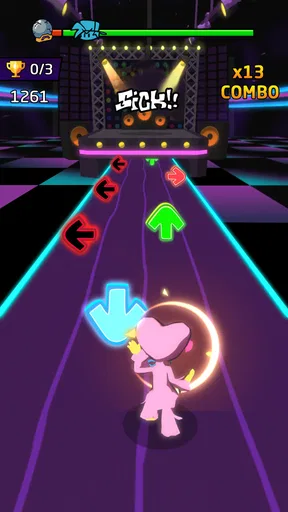
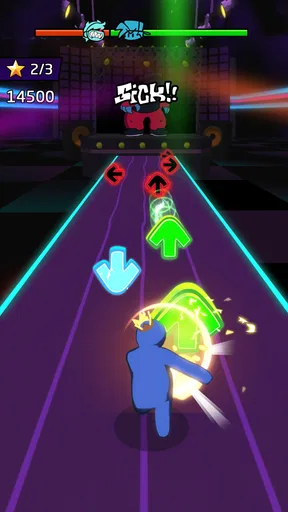
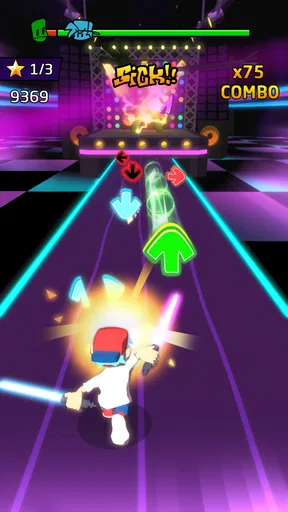
 Analysis by AppCompare
When I have a few minutes to spare and want something more active than a playlist, I look for a rhythm game that gives me a clear beat to follow and a reason to try again. Blade Night: Rhythm Saber aims for that quick, hands-on appeal: music supplies the pace, and slicing beats turns listening into a reflex challenge. Its premise is easy to grasp, but the real question is whether the play loop suits the way you like to spend short breaks.
A simple routine makes each run more useful
I’d approach a session with one goal rather than treating every song as a high-score attempt. Pick a track, pay attention to its rhythm, and use the first run to learn where the patterns become difficult. On a repeat, focus on timing instead of trying to react harder. That small change makes the game feel less like frantic tapping and more like practicing a piece of music.
This is especially handy when I have a short wait between errands or want a quick reset after work. A song gives the session a natural boundary: I can play one round without committing to a long campaign. If I have more time, I can return to a difficult section or chase a better score. The appeal is immediate, but the most satisfying progress comes from noticing what went wrong and adjusting on the next attempt.
Check comfort and device basics first
Before settling in, I’d check the game’s sound level and make sure the device is comfortable to hold. Rhythm depends on hearing the beat clearly, so noisy surroundings can make accurate play harder. Headphones may help when they’re convenient, though I’d keep the volume comfortable and avoid using them where I need to hear what’s happening around me.
It is also worth keeping the screen clean and choosing a position where your hands can move naturally. A cramped grip can turn a timing challenge into an awkward hand movement, especially during faster patterns. I wouldn’t assume every player needs a special setup; a little space, a steady hold, and a clear view are practical starting points. The minimum operating system is Android 7.0, and the game is rated for Everyone, so it can suit a broad range of players with compatible devices.
Build repeatable habits instead of rushing
A useful habit is to separate learning from score chasing. On the first pass through a track, notice the sections that disrupt your timing. On the next, concentrate on one of those sections and let the easier parts happen naturally. This is more reliable than changing your approach every few seconds, and it gives each replay a purpose even when the score does not improve immediately.
I’d also resist the urge to keep replaying when concentration drops. Rhythm games reward attention; tired reactions can make familiar patterns feel harder and turn practice into frustration. Taking a brief pause, then returning with a fresh ear, is often a better use of time than grinding through more attempts. That makes the game a better fit for focused bursts than for someone seeking a long, story-driven session.
Worth Reading Before You Choose

EA SPORTS FC Mobile 26 Is a Bigger Football Game, but It Takes Time

Flipboard Shows What News Apps Must Do Beyond the Feed

Switching to Android Auto Means Rethinking Your Driving Routine

Google Calendar Makes a Crowded Week Easier to Manage

Ludo King Makes the Most of the Minutes Between Plans

Baby Panda World Brings Quick Play to Modern Phones, but Its Game Library Feels Busy
Know what kind of music game you want
Blade Night is a music game from HOLA GAME, built around action and beat-matching rather than passive listening. It is free to start, with in-app purchases priced from $0.99 to $1.99 per item. Its current version is 1.2.3. I’d treat the optional spending as something to consider only after trying the core experience; a free download does not mean every extra is essential, and there is no need to buy anything just to find out whether the timing-based play suits you.
Compared with a music player, it asks you to interact with the beat instead of simply choosing a playlist and relaxing. Compared with rhythm games that focus mainly on tapping along to notes, its blade-and-obstacle framing gives the action a more physical feel. That distinction is useful if you want a playful, visually driven challenge, but less appealing if you prefer quiet listening, precise instrument-style note charts, or a music library you control yourself.
The game has an average rating of 4.9 from around 2,600 ratings, and more than 1 million installs. Those figures suggest it has found an audience, but they cannot tell me whether its music selection matches your taste or whether its pace will feel comfortable on your device. I’d use them as context, not as a substitute for trying a run yourself. Its release date was November 20, 2022, and it has 58 written reviews, so the rating reflects a larger pool of ratings than written comments.
Who will enjoy it—and who may want another option
I can see this working well for someone who enjoys quick reflex games, likes music as part of the action, and is happy to repeat a track to improve. It can also suit a casual player who wants an easy-to-understand challenge without learning a complicated ruleset first. If you are sharing a device with family, the Everyone rating is reassuring as a content label, though I’d still make sure the game’s sound and screen use fit the setting.
I’d be less likely to recommend it to someone who wants a deep music catalog, a substantial narrative, or a hands-free way to enjoy songs. It may also frustrate players who dislike replaying levels or who expect every rhythm game to offer precise control over the music they hear. The central loop depends on your willingness to react and retry; if that sounds like work rather than fun, a music player or a different style of rhythm game is probably a better match.
Getting into the Groove
First things first, installing Blade Night: Rhythm Saber is a breeze. Available on both Android and iOS, you can download it directly from the app store. Once you fire it up, you’re greeted with a vibrant, neon-infused interface that just screams "get ready to party." The design is sleek, intuitive, and it's clear the developers have put a lot of thought into making sure you don’t get lost in menus.
Now, let's talk about the gameplay. If you’ve ever played any rhythm-based games before, you’ll feel right at home. You choose a song, and your task is to slice through incoming beats using your virtual sabers. The better your timing, the higher your score. Simple, right? But don’t be fooled, it’s challenging in the best way possible. You’ll find yourself bobbing your head to the beat, completely immersed in the music.
Track Selection and Customization
One of the standout features of Blade Night: Rhythm Saber is its track selection. The game comes loaded with a variety of songs across different genres. Whether you’re into pop, rock, or EDM, there’s something here for everyone. Plus, the app is regularly updated with new tracks, so it doesn’t get stale.
Customization is another big plus. You can personalize your sabers and even the environment. Want a pink saber with sparkles flying off it? You got it! The customization options are fun and add a personal touch to your gameplay.
Challenge and Replayability
Alright, let’s talk about the difficulty. As you progress, the levels get tougher, with beats coming at you faster and in more complex patterns. It’s a workout for your reflexes, but in the best way. You’ll want to keep playing just to beat your high score or to finally nail that tricky section of a song.
There’s a leaderboard where you can see how you stack up against other players. It’s a great motivator and adds a competitive edge. And if you’re someone who enjoys a challenge, try the "hardcore" mode. It’s not for the faint-hearted but incredibly satisfying when you hit those beats perfectly.
Graphics and Sound: A Feast for the Senses
The visuals in Blade Night: Rhythm Saber are top-notch. The neon lights and dynamic environments enhance the experience, making you feel like you’re in a futuristic rave. The graphics are smooth, and even on older devices, I didn’t notice any lag or stuttering.
Sound is, of course, a crucial element of a rhythm game, and this app nails it. The audio quality is excellent, and the sound effects when you slice through beats are super satisfying. It’s one of those games where you’ll want to pop in your best headphones to fully appreciate the experience.
Final Thoughts
So, is Blade Night: Rhythm Saber worth your time? Absolutely! Whether you’re a rhythm game veteran or a curious newcomer, there’s a lot to love here. It’s fun, addictive, and a fantastic way to enjoy music in a new way. Plus, the customization and regular updates mean there’s always something fresh to keep you coming back.
If you’re looking for a game that blends music with action, give it a shot. Just be prepared to lose track of time as you try to conquer each track. Happy slicing!
One practical trade-off before you settle in
For me, the most useful distinction is between what the game offers as a quick activity and what I would expect from a full music-game library. The action can make a familiar rhythm feel lively, but song variety is personal: a broad spread of genres does not guarantee that every track will be a favorite. I’d try several options before deciding whether the available selection is enough to keep me coming back.
Visual customization is enjoyable, but I treat it as a bonus rather than a reason to keep playing. If I’m trying to improve, I focus on the beat and the pattern, not the look of the saber or setting. Changing the appearance can make a session feel fresher; it won’t replace a track that I enjoy or make a difficult sequence easier by itself. That is a small but useful expectation to set before spending time exploring cosmetic choices.
Make retries intentional
When a run goes poorly, I’d first identify whether I lost the rhythm, misread a pattern, or simply rushed. Even without turning practice into a formal routine, that quick check helps me decide what to do next: replay the same song while listening more carefully, or switch to another track for a change of pace. Repeating a song without changing anything can become monotonous, so a clear target makes retries feel worthwhile.
For a shared living room, I’d choose a time when the sound and visual movement won’t distract someone nearby. For a quiet break at a desk, I’d keep the session short and avoid expecting a relaxed, hands-off experience; the game asks for attention. These everyday details matter because its strongest use is as an active diversion, not background entertainment.
What to expect from the challenge
The increasing pace and more involved patterns give experienced rhythm-game players a reason to test their timing, while newcomers can start with the basic idea of matching actions to music. I would not equate a harder mode with a deeper music simulation: the appeal here is quick reaction and repeat play. If your favorite rhythm games are built around carefully reading note lanes or mastering instrument-like controls, this blade-based approach may feel comparatively straightforward.
That simplicity is also a strength when I want to introduce someone to the genre. I can explain the central action in a sentence, then let them learn through a run. Still, fast movement can be a poor fit for anyone who finds rapid visual changes uncomfortable or dislikes reflex-heavy play. In that case, a slower rhythm title—or simply listening to music—offers a more suitable way to unwind.
My recommendation after a few sessions
Blade Night works best when I treat it as a compact, repeatable challenge: choose a song, listen for its pulse, and return to a tricky passage with one improvement in mind. The leaderboard and tougher play give competitive users a reason to stay sharp, while customization offers a lighter way to make the experience feel personal. I would recommend it to people who enjoy action tied closely to music and do not mind replaying tracks.
Pros
- Engaging rhythm-based gameplay.
- Intuitive and smooth controls.
- Visually stunning graphics.
- Large variety of music tracks.
- Regular updates with new content.
Cons
- In-app purchases can be costly.
- Ads can interrupt gameplay.
- Requires a stable internet connection.
- Limited offline features.
- Occasional performance lags on older devices.
FAQs for Blade Night : Rhythm Saber
What is Blade Night: Rhythm Saber and how does it work?
Blade Night: Rhythm Saber is a dynamic music rhythm game where players use virtual sabers to slash through blocks in time with music. The game requires players to match their movements to the beat, creating an immersive and engaging experience. It combines rhythm-based gameplay with visually striking graphics to keep players entertained.
Is Blade Night: Rhythm Saber free to play or does it include in-app purchases?
Blade Night: Rhythm Saber is free to download and play. However, it offers in-app purchases for additional songs, customization options, and other premium features. While you can enjoy the core experience without spending money, purchasing enhancements can enrich your gameplay and unlock more content.
What are the system requirements for Blade Night: Rhythm Saber?
For Android, Blade Night: Rhythm Saber requires version 5.0 or higher. For iOS, it requires iOS 11.0 or later. The game is optimized for both smartphones and tablets, but a device with good processing power and a reliable internet connection is recommended for the best performance.
Does Blade Night: Rhythm Saber support multiplayer or social features?
Yes, Blade Night: Rhythm Saber includes multiplayer modes where you can compete against friends or other players online. It also integrates social features, allowing you to share your scores and achievements on social media platforms. This adds a competitive edge and community engagement to the gameplay.
How does Blade Night: Rhythm Saber ensure a safe and secure gaming environment?
Blade Night: Rhythm Saber is committed to providing a secure gaming experience. It regularly updates to patch vulnerabilities and enhance security. The game also features privacy settings that allow players to control data sharing and interactions with other users, ensuring a safe and enjoyable environment.


